
 admin
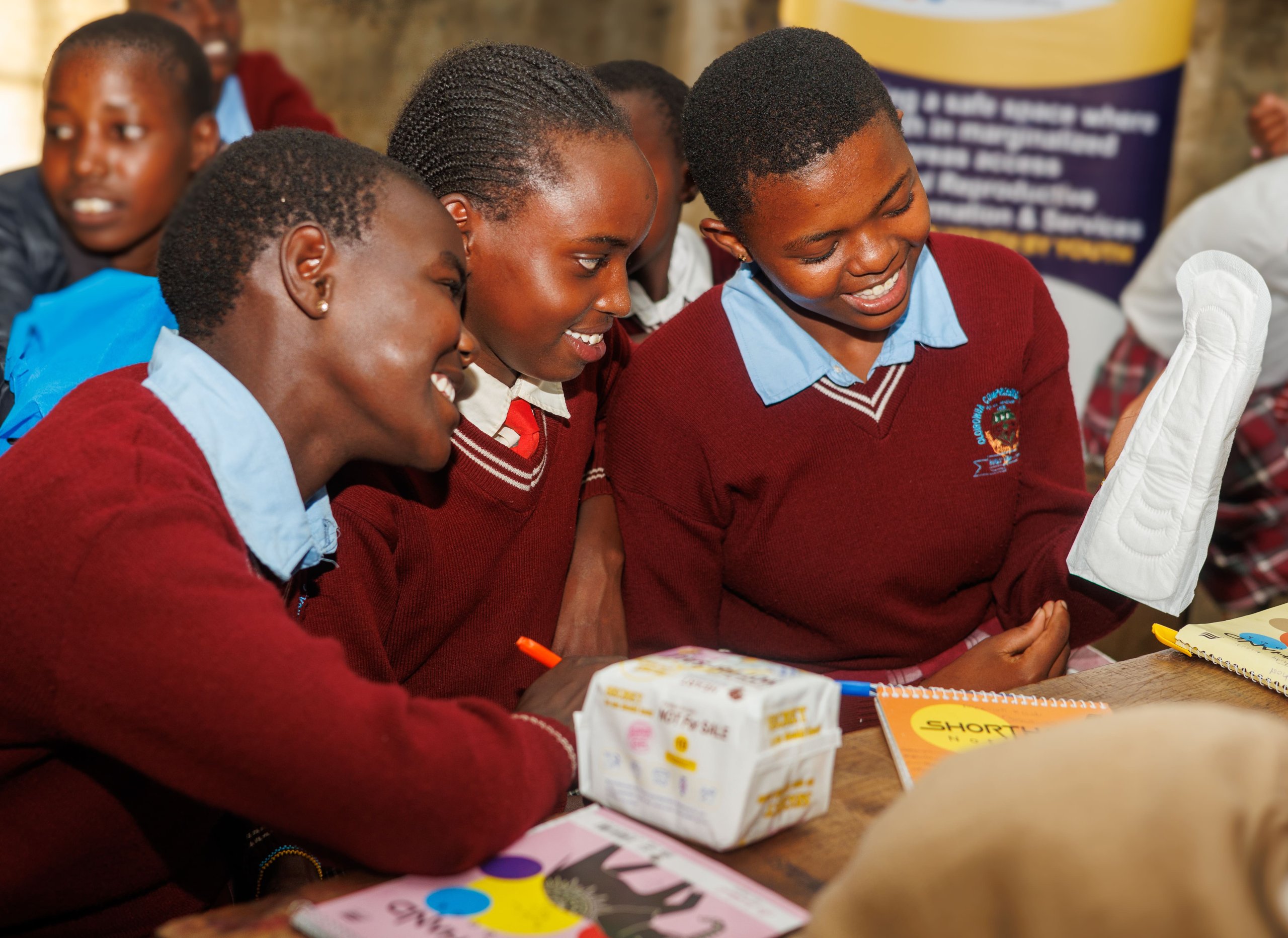
adminFor many girls living in rural and underserved communities in Kenya, menstruation is more than a monthly biological process — it is often a barrier to education, confidence, and opportunity. Lack of access to sanitary products, stigma surrounding periods, poverty, and harmful cultural practices continue to force many girls to miss school during menstruation. In arid and semi-arid communities where Dandelion Africa works, these challenges are even greater, especially among vulnerable girls living in areas affected by poverty, Female Genital Mutilation (FGM), and early marriage.
Breaking the Silence Around Menstruation
At Dandelion Africa, we believe that no girl should have to choose between managing her period and getting an education. Through our Youth Program, we are supporting menstrual hygiene management by ensuring girls have access to dignity kits that include sanitary pads and innerwear, while also providing menstrual hygiene education, mentorship, psychosocial support, and safe spaces where girls can openly discuss the challenges they face.
Every month, Dandelion Africa provides 6,500 girls with sanitary pads across schools in Baringo, Nakuru, Narok, and Kajiado counties. These interventions are helping girls remain in school with dignity, confidence, and improved self-esteem.
For many girls, this support is life-changing.
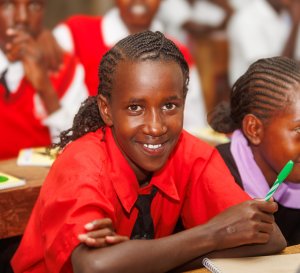
“I used to stay home during my periods because I did not have pads and I was afraid of being laughed at in school,” says Rose, a 14-year-old student from Narok County. “Sometimes I would miss exams and lessons. Since joining the Girls for Leaders club and receiving dignity kits, I no longer miss school. I feel confident, and today I am a class prefect. I now encourage other girls not to feel ashamed about menstruation.”
Empowering Girls Through Leadership and Education
Our Girls for Leaders program currently works with 6,500 girls, focusing on communities where harmful cultural practices continue to limit girls’ opportunities. Through mentorship, leadership training, life skills education, and menstrual hygiene support, girls are gaining the confidence to stay in school and actively participate in leadership spaces.
Since the program began in 2014, school transition rates in supported schools have increased from 45% to 98%, while absenteeism linked to menstruation has reduced by 99%. Girls who previously missed classes due to a lack of sanitary pads can now attend school consistently, improving both their academic performance and confidence.
The program has also contributed to increased girls’ agency and self-belief. Overall Agency is at +8.48, statistically significant, and 95% confidence level.
In 2025, 60% of student leaders in schools we work with were girls — a reflection of the growing confidence and leadership capacity among young women.
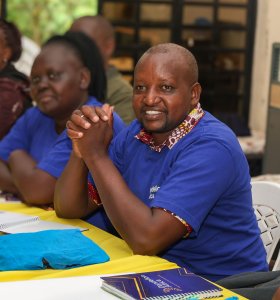
“Before the program, many girls would miss several days of school every month, and some eventually dropped out completely,” says Mr Moses, a teacher from Baringo County. “Today, attendance among girls has improved greatly. The girls are more confident, active in class, and many are taking up leadership positions in school. We are also seeing boys becoming more supportive and respectful towards girls during menstruation.”
Engaging Boys to Create a #PeriodFriendlyWorld
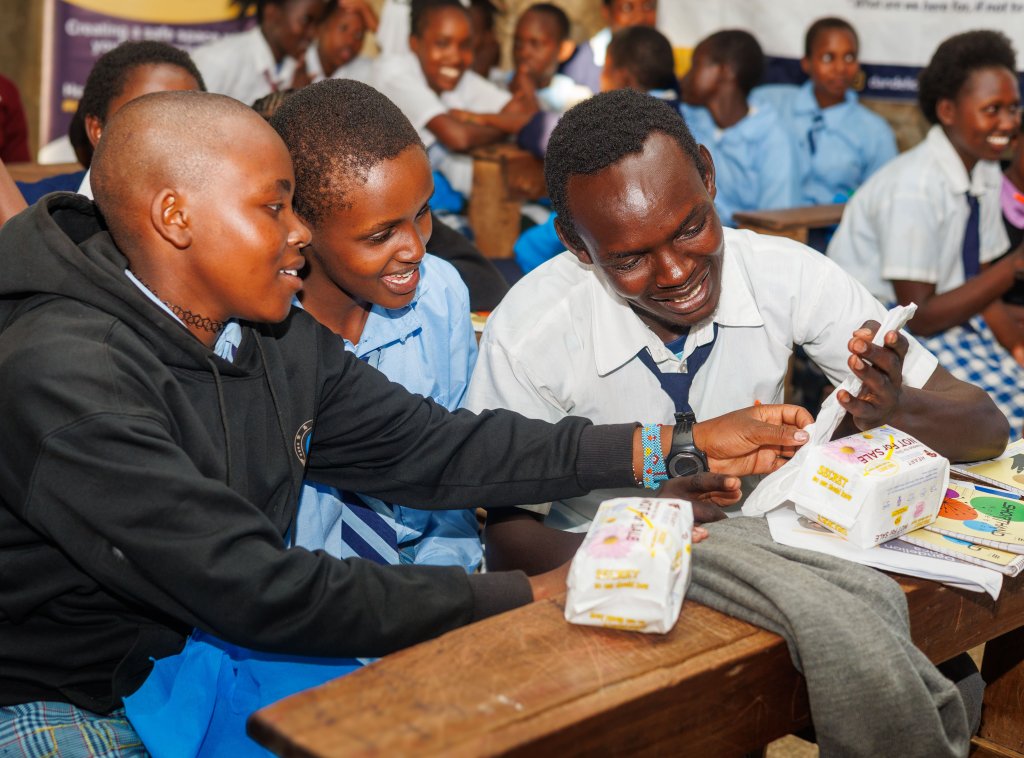
We understand that achieving menstrual equity also requires engaging boys and men in conversations around respect, dignity, and gender equality. Through our Boys for Change program, Dandelion Africa works with 5,000 boys and men to challenge harmful gender norms and promote positive masculinity.
The boys are trained on menstrual hygiene, gender equality, and the importance of supporting girls and women. Many have become active ambassadors for creating a #PeriodFriendlyWorld by helping reduce stigma around menstruation and advocating against harmful practices such as FGM and early marriage.
By involving boys, schools and communities are becoming more supportive and inclusive environments where girls feel respected, safe, and empowered.
Menstrual Health is About Dignity and Opportunity
Menstrual health is not only about access to sanitary products; it is about dignity, education, equality, and opportunity. When girls can manage their periods safely and confidently, they are more likely to remain in school, pursue leadership opportunities, delay early marriage, and contribute meaningfully to their communities.
This Menstrual Hygiene Day, we celebrate the resilience of girls and the power of community-driven solutions that are transforming lives across Kenya. At Dandelion Africa, we remain committed to ensuring that every girl has the support, knowledge, and confidence she needs to thrive — because when girls stay in school, entire communities prosper.