
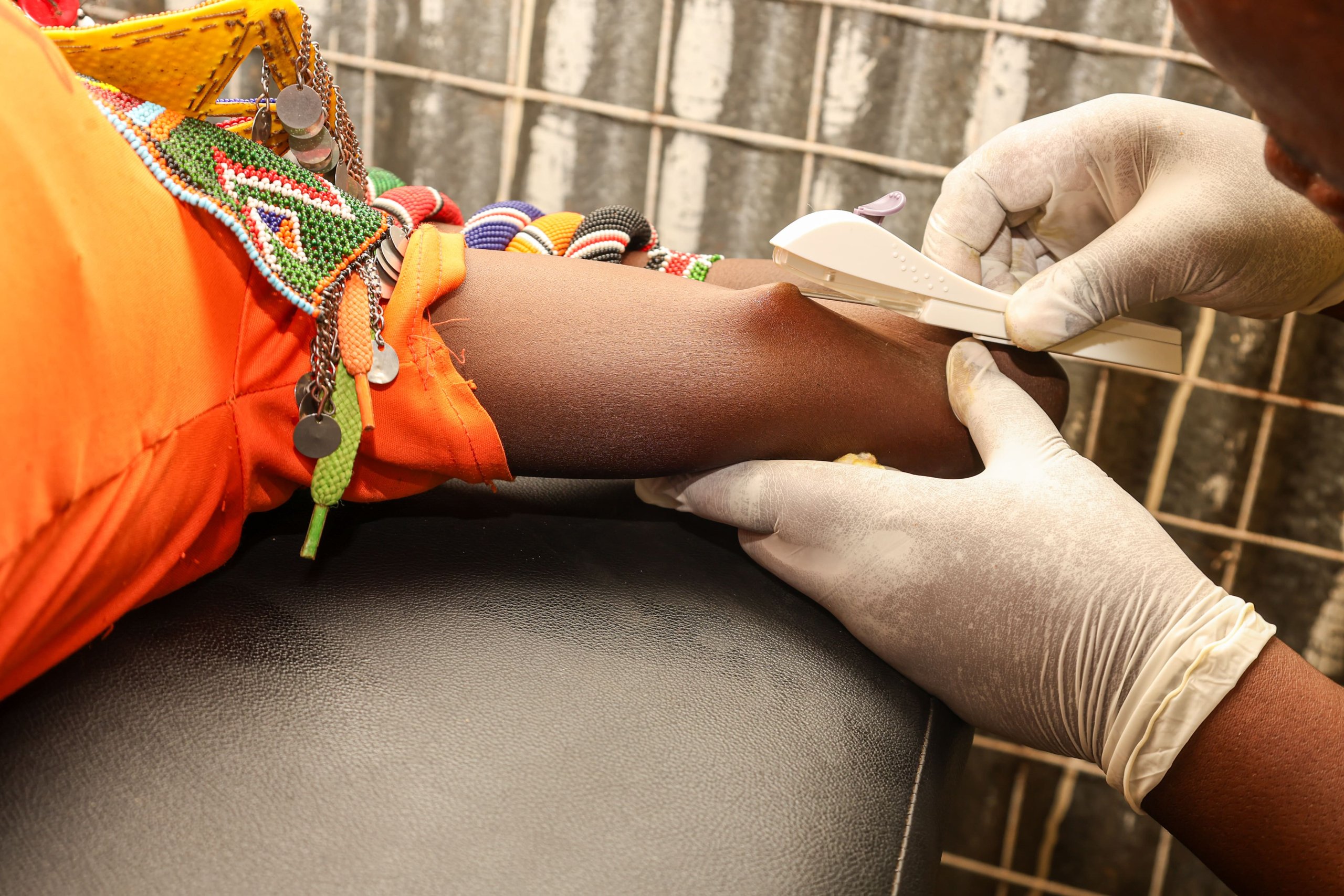
For many women living in rural and dryland communities in Kenya, family planning is more than deciding when to have another child. It can mean having more time to care for the children they already have, the opportunity to grow a business, keep their children in school and participate more fully in decisions that affect their families and communities.
For years, access to family planning has been limited by distance, lack of information, myths and misconceptions, and the influence of cultural and household decision-making structures. In some communities, especially among Maasai communities where family planning uptake was historically low, many women had little access to accurate information or services.
We are working to change this through our Deep Impact Model, bringing together health, livelihoods, community engagement and leadership to address the different factors that affect women and families.
Over 300,000 women and youth have received contraceptives through our programmes.
Through our health programme, women can access family planning information and services closer to where they live. We have set up Backpack Nurse outreach sites, where our nurses travel to hard-to-reach communities, providing family planning alongside antenatal care, immunisation and other essential health services.
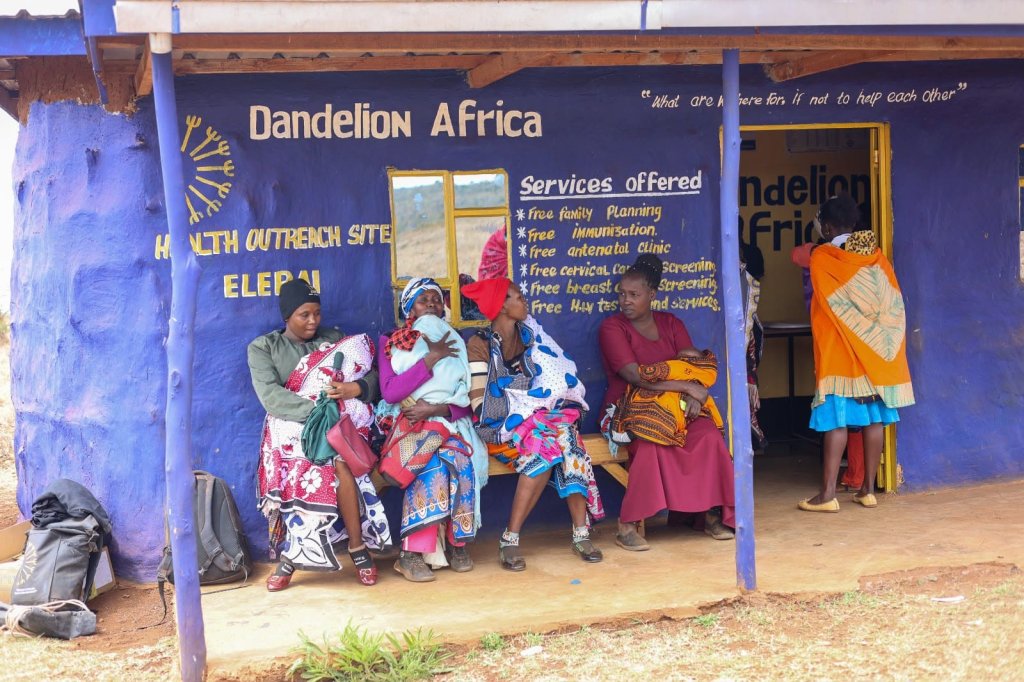
At our three health facilities in Mogotio, Sarambei and Kajiado, we also provide access to quality family planning services, ensuring women receive counselling, choose a method that meets their needs and, where necessary, receive referrals for further care.
Behind these numbers are women who have been able to make decisions about their families, plan their pregnancies and create more opportunities for themselves and their children.
But access to a method is only one part of the change.
Changing What Women Can Do With Their Time
When women are able to plan the number and spacing of their children, they can have more time to care for their families and pursue opportunities outside the home. For some women, this has meant having time to start or expand a small business. Others are able to participate in livelihood activities and contribute more to their household income.
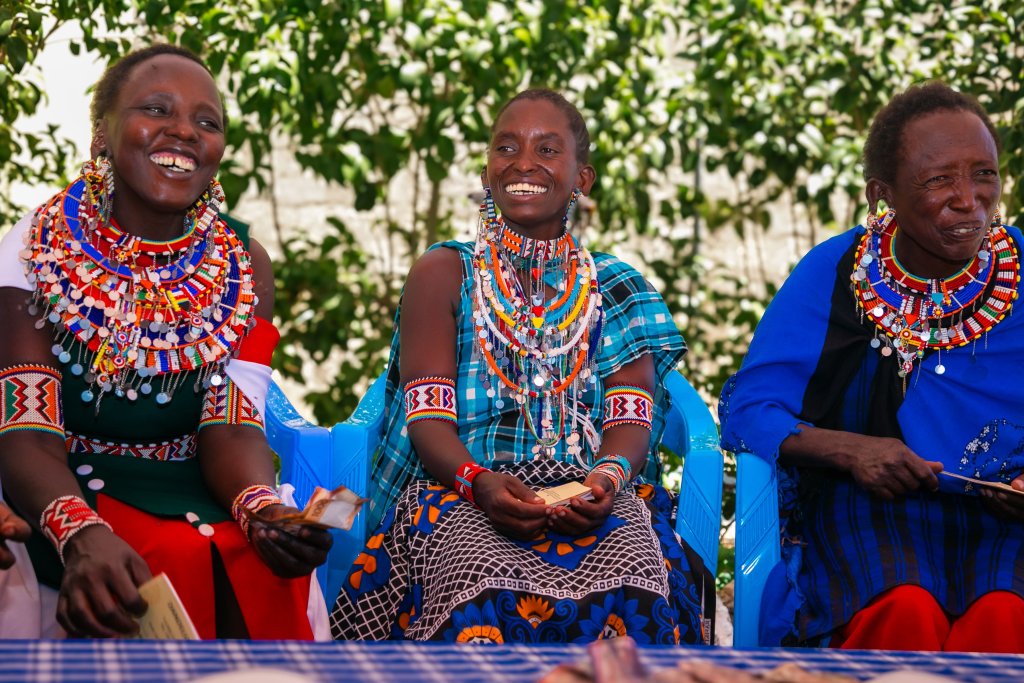
Through our women livelihoods programme, women come together in groups where they learn to save, conduct table banking, access loans and invest in small businesses. With increased income, families are better able to meet important needs such as food, healthcare and education.
In communities where many children previously struggled to attend school, women are now better positioned to contribute towards their children’s education.
Family planning is therefore connected to much more than reproductive health. It can create space for women to invest in their families, their businesses and their futures.
From Receiving Support to Becoming Leaders
The change is also visible in the way women participate in their communities. Through the livelihoods groups, women are not only saving and borrowing money; they are building confidence, learning from one another and creating support networks.
Women who once had little say in household or community decisions are increasingly finding their voices. Some have taken up leadership positions, while others are speaking out on issues affecting their communities.
This is an important part of the Deep Impact Model: addressing health alongside economic empowerment and leadership so that women are not only able to access services but are also empowered to make decisions and influence change around them.
Changing the Conversation Around Family Planning
But women cannot make these decisions alone.
In many communities, men play an important role in household decision-making, including decisions about family size and whether a woman can use contraception. This can become a barrier to accessing family planning services.
That is why Dandelion Africa also engages men through men’s engagement forums. These forums create a space for men to learn about family planning, maternal health and the importance of supporting their partners to make informed decisions about their reproductive health.
Rather than speaking only to women, we recognise that lasting change requires communities to be part of the conversation. When men understand the benefits of family planning, they can become partners in supporting their families.
Challenging Myths and Misconceptions
For many years, myths and misconceptions about contraception have also influenced family planning uptake. Some women and men have feared side effects, believed misinformation about different contraceptive methods or simply had unanswered questions about how the methods work.
We are addressing this by taking accurate information directly to communities. We have trained Community Health Promoters (CHPs) on family planning so they can provide information during household visits, answer questions, address misconceptions and refer women to health facilities or community-based services when they need further care.
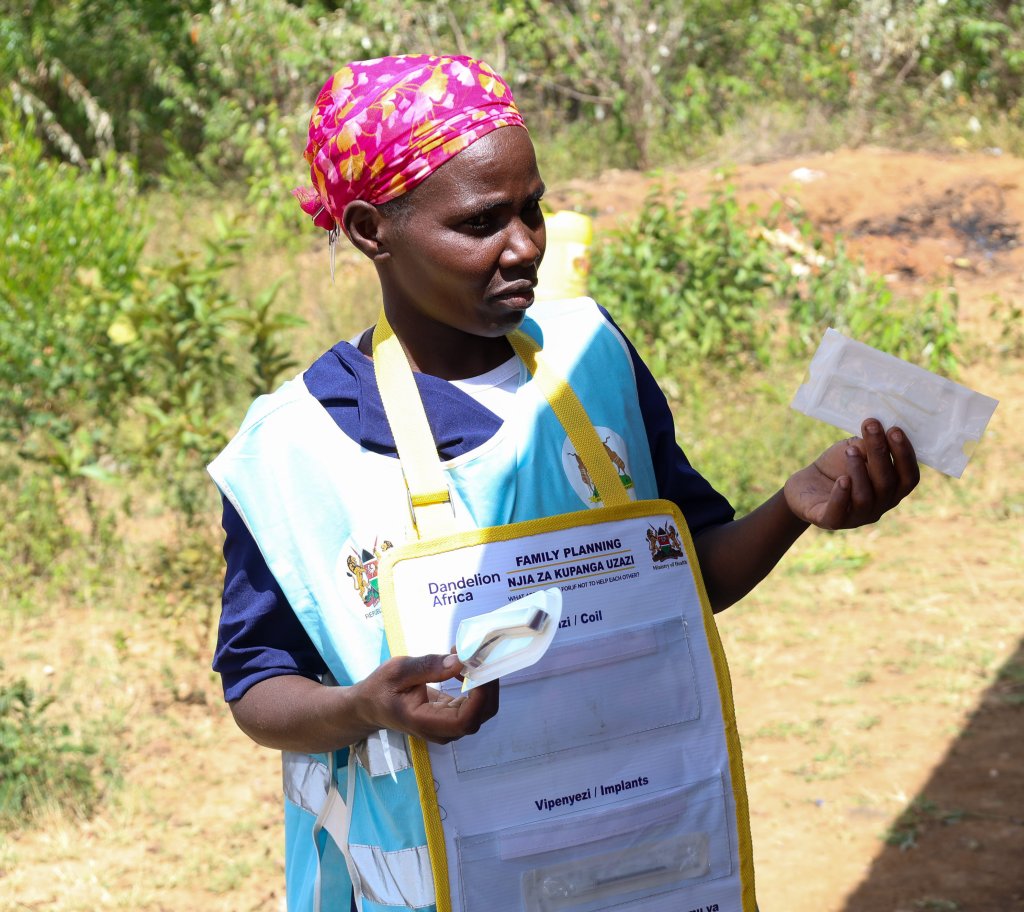
This means that a woman does not have to wait until she reaches a hospital to begin learning about her options. A conversation can start at home, within her community, with someone she knows and trusts.
Over time, this approach is helping change attitudes and increase uptake.
In communities where family planning was once rarely discussed and uptake was very low, including some Maasai communities, we are seeing significant increases in the use of family planning methods